Showing posts with label writer's confessions. Show all posts

Friday, March 28, 2014

How to enjoy writing time

I'm drawing today's blog inspiration from the list of 101 Blog Post Ideas for Writers. Let me know if you do the same!

Today's topic: How to enjoy writing time (or how to get your butt in the chair and keep it there)
Sometimes getting my butt into my computer chair is SUCH a task. I can always think of a thousand (lazy) things I'd rather do than work on the story that has been giving me trouble for two weeks. So I try and find small ways to make it fun. (These tips will work for general homework and tasks, too, even if you aren't a writer!) 
Coffee in my WRITER mug.
This is probably my most Instagrammed item (usually posed in front of my laptop). It’s from Castle, my favorite TV show (where the MC is also a writer!), and it always makes me feel more official.
Out and about.
I'm prone to getting distracted in my apartment, so sometimes I prefer to write (or do homework in general) other places. Most of these places involve coffee. The week before our seminar papers were due, almost everyone from my Readings in Fiction class took over the local Panera all day long and wrote pages and pages and pages for our papers. I spent ten hours there and wrote fifteen pages. Writing with other people is nice because there's always someone to watch your laptop when you go to the bathroom or grab a coffee refill.
Rewards!
Sensing a theme here?
I take breaks, grab an oatmeal raisin cookie, watch an episode of Gilmore girls (but just one!). Don't force yourself to write for hours and hours and hours unless you're really on a roll. And before you take a break, make sure you're at a fun part of your story, something you'll be excited to come back to. Otherwise you'll dread returning to the story.
So what do you do to make writing (or any work task) more fun?


Friday, February 28, 2014

Character names

I'm drawing today's blog inspiration from the list of 101 Blog Post Ideas for Writers. Let me know if you do the same!

Today's topic: Character names
I used to spend hours coming up with the perfect character names. I’d look at baby name websites and keep lists of my favorites. I’d find a meaning to match my character’s personality.

Now? I’m lazy. Or I’m more preoccupied with plotting/outlining. Or I’m desperate to come up with some type of story 24 hours before my workshop. So character names get put on the back burner. Lately, I’ve pulled a lot of my stories from real life experiences and I just slap characters with the same names as the people I’ve based them on, convinced I’ll go back and change them when I have time. And then I just never do, and I become accustomed to typing their name and don’t want to change it. It’s a problem. I’m going to have so many people suing me if I get published.

How do you pick names for your characters?

Monday, January 27, 2014

How to cope with major critiques/edits

I'm drawing today's blog inspiration from the list of 101 Blog Post Ideas for Writers. Let me know if you do the same!

Today's topic: How to cope with major critques or edits of your story

Tears. Lots and lots of tears.

Just kidding! Being a writing major/MFA candidate has forced me to develop a thick skin, but some critiques still sting. (This also means I’m oddly sensitive about everything else. Like if my boss at work walks by my office without saying hello, I’m crushed.) I’ve learned that when someone critiques my story in workshop, they aren’t doing it to hurt me (at least I’ve been fortunate enough to have kind and helpful people in my classes). Most people have really helpful ideas for my stories, and they want to see them improve.

After a workshop I usually dive right back into the story while everything is fresh in my mind instead of letting myself stew over the critique. So that’s my advice: go right back to your story and make the necessary changes. UNLESS those changes are drastic, like start over completely from a different POV or get rid of this character. If you feel super unsure about a change, don’t hit that delete key right away. Brainstorm, outline, write out some new scenes with those changes just to see how they’d work in the story before you go back to your workshopped draft.

And always, always, ALWAYS save your old drafts. If it turns out that the critic from your class was out of his or her mind and had awful ideas, you’ll want to have your previous draft to undo those changes.  

What are your coping mechanisms for tough criticism?  

Monday, January 20, 2014

Writers in your life and how they've inspired you

Picking favorite books is a challenge, but choosing my favorite authors is simple. Here are my Big 3 Authors. I found them at different stages of my life and writing development, and each has affected me in a huge way.


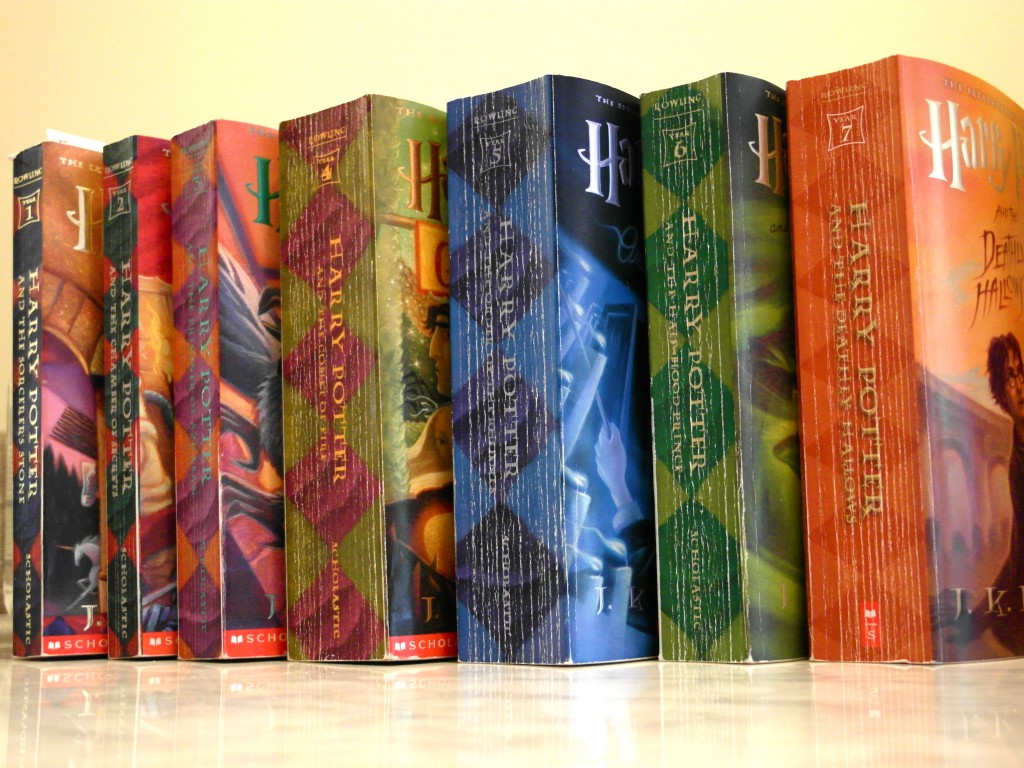
J.K. Rowling – the reason I read books.
(Technically, my mom deserves some credit for buying me the Sorcerer’s Stone, so allow me to acknowledge her here. Thanks Mom!)
I still think I’d love books if I hadn’t read Harry Potter, but I wouldn’t be addicted to them in the same way. Also, my childhood would’ve been a tiny bit emptier without Harry. I also learned the basics of storytelling from the books. I learned about chapters, paragraphs, sentence structure. I learned how to handle a large cast of characters. I learned how to structure dialogue. I learned most of my big words (comprehension, indignantly) from the Potter books. They really did teach me how to write. And that is pretty magical.


Sarah Dessen – the reason I decided to pursue writing.

I discovered Sarah Dessen’s books when I was fifteen or sixteen. She was one of the first YA authors I read (after Meg Cabot) and I absolutely fell in love with her style. Her books were the first I’d come across where nothing insanely dramatic occurs in the plot. Her characters aren’t fighting evil wizards or discovering they are princesses or saving the President. They were just teenagers going through normal teenager problems, the same problems I faced (and some I hadn’t but soon would). Sarah gave me the lightbulb moment, the I-could-actually-do-this moment. She writes about the same things I want to write about, so maybe one day my stories could be famous too.

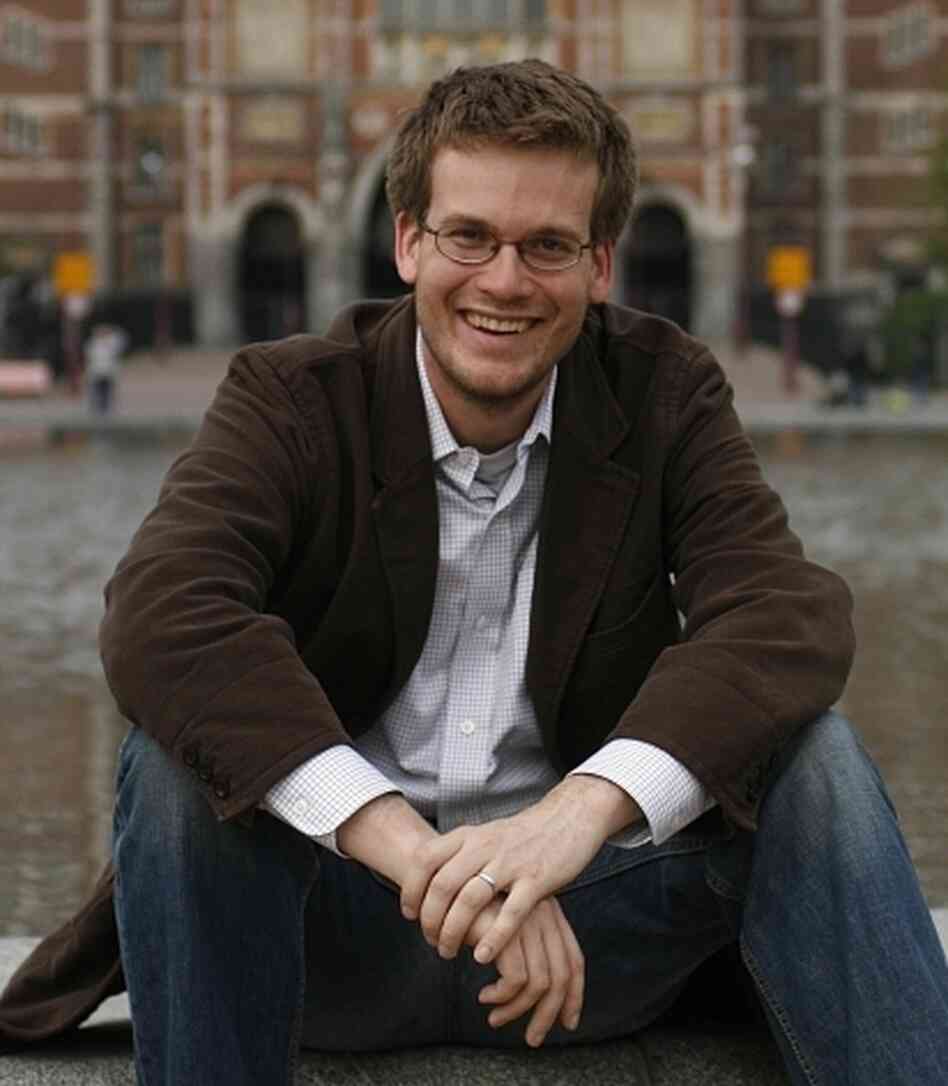
John Green – the author whose stories I wish I'd written.

I picked up LOOKING FOR ALASKA in summer 2011 and immediately fell in writer-love with the character of Alaska Young. I’d never read a character quite like her: self-destructive, wild, yet fiercely intelligent. And then I was jealous. Why didn’t I come up with a character like her? Then I read the rest of John’s books (THE FAULT IN OUR STARS had not been released yet) and was amazed by his level of storytelling. His characters grapple with philosophical questions and still remain hilarious. They are sarcastic and smart, yet still normal and relatable. They are always searching for someone or something, whether it is their own identity or the girl who’s mysteriously disappeared. TFIOS took all of that to a new level when it was released in January 2012 and solidified John as the author whose career I would most like to steal. Also, I overcame my fear about writing male protagonists because of his novels (which is a bigger deal than it sounds).


How about you? What writers inspire you?


Funny coincidence: I wrote/scheduled this post a while ago, and the lovely Katy Upperman just posted almost the same thing over at her blog today! Maybe we're psychics? Hop over and check out hers! :)  

Monday, January 13, 2014

How did you know you wanted to become a writer?

It's time for another post from the list of 101 Blog Post Ideas for Writers. Yay! Let me know if you answer any of these questions on your blog...I'd love to read about them!

Today's question: How did you know you wanted to become a writer?

I never had a lightbulb moment where I leapt up and exclaimed, “AHA! I know what I want to do with the rest of my life…I want to write!” or anything like that. I started writing “books” the summer after fifth grade, so I was eleven at that time. They were only ten pages or so, but I was addicted. I think I started writing because I was unsatisfied with the books I read at the time. It was that awkward time in my life where I’d spent two or three years reading Harry Potter and couldn’t go back to the skinny chapter books I’d read before that because they just weren’t as good or as challenging. (Basically, Harry Potter ruined most middle-grade books for me. Thanks, J.K. Rowling.) Plus, none of the books I read were about the things that interested me, so I decided to just write my own.

The only books I read for five years.


I have since found books that interest me again (though it took until ninth grade for me to read anything other than Harry Potter), but thankfully I’m still writing. It got me a college degree, after all. And 1/4 of an MFA so far.


Your turn: why did you decide to start writing?

Friday, January 10, 2014

Avoiding "burnout"

I'm drawing today's blog inspiration from the list of 101 Blog Post Ideas for Writers. Let me know if you do the same!

Today's topic: Avoiding "burnout"
 
All writers fear it: writer's block. No ideas. An exhaustion with writing so severe that they can't imagine opening up a Word document ever again. In a word: BURNOUT.
 
Thankfully, my “burnout” usually comes when I hit winter/summer break. 15 weeks of nonstop writing and reading for school can really take its toll. I always set all these goals of projects for break (working on that novel I shelved during grad school, reading all the fun books I haven’t had time for, etc), but realistically I know I’m going to sit on the couch and watch tons of TV while crocheting an afghan for three weeks.
 
AND THAT’S OKAY.
 
You need to give yourself permission to relax once in a while. You can’t gogogogogo 24/7. Sarah Dessen recently posted about scrapping the novel she’s been working on because it just wasn’t working and she was burnt out. That’s a scary thing to do, and I really admire her for it (both putting the draft away AND blogging about it). Taking time off doesn’t make you a failure, it makes you human.
 
Sarah also posted a quote she found about how even trees go dormant during the winter…they aren’t meant to produce year-round fruit, so why should you expect yourself to? So true! And you’ll most likely be a stronger writer when you come back from a break. I do, however, keep a list of ideas and little things I think of while I’m on a break. That way I’ll have something to start with when I come back.

Wednesday, January 1, 2014

HAPPY NEW YEAR! & resolution time again

Here's to 365 days of reading books and writing stories that bring us joy!

Are you making resolutions for 2014? Once again, my goal is to read 50 books this year. I'm hoping to diversify my reading list a bit more this year, too.

My other goal sort of pertains to reading/writing and life in general. I want to be a better nerd. This might sound weird, but just let me explain. I'm operating under the John Green definition of nerd:


I'm definitely guilty of toning down my love of certain things (certain books, movies, TV shows) because I worry about what other people think. I need to stop that. My goal this year is to LOVE THINGS. I want to unapologetically love the things I love without worrying what other people say.


Who wants to join me in a life of happy nerdiness? What are your goals for 2014?

Monday, December 16, 2013

Things I've Learned in Grad School: Semester 1

Here are my top four lessons of fall semester 2013!

1. C is a failing grade. Nothing like this revelation to induce multiple panic attacks during orientation.

2. When professors say you’ll be reading a book a week, they mean it. I had to make a schedule JUST for my assigned readings (broken down into daily page counts) to stay on top of everything.

3. Listening to a classmate read their story aloud and workshopping them on the spot is DIFFICULT. My workshop professor this semester ran class under a different format than I’m used to. Each person reads five pages of their story while everyone else takes notes and critiques them directly after they finish. I’m used to having three or four days to read over someone’s story and carefully write out my comments in a letter format. This new setup led to a lot of “Uh…um, I like this sentence…” and wasn’t always helpful. I’ve definitely learned what workshop style works for me (and what doesn’t). One positive, though, is that everyone got workshopped every week. Lots of feedback is always good!

4. Your classmates become your core group of friends. 10 of us came in as first year fiction students. We were all placed in two of the same classes, and we became a SUPER tight group. I know their writing styles and they know mine. I looked forward to hearing another piece of certain people’s longer stories each week. I knew who I could count on for an encouraging smile after my workshop and who to look at for a sympathetic eyeroll when a professor said something annoying. I was really worried I wasn’t going to make friends in my classes (creative writers are sometimes difficult to befriend, especially in past departments I’ve been a part of because of competitiveness), but I’ve found a solid group of people I adore in Pittsburgh. <3

Wednesday, March 6, 2013

February resolutions (how'd I do?)


It's March now, and I'm reflecting back on the resolutions I made in February: to be kind, caring, and loving toward myself and others. These goals wound up connecting more to my writing than I ever imagined.

Some little things I did:
-Sent my grandma, uncles, and parents/brother valentines
-Sent valentines to the other SU sororities on behalf of the chapter (I'm the corresponding secretary for ZTA, and I thought valentines would be a nice surprise!)

I found the self-love part the most difficult piece of my resolution this month. I had a really bad workshop in my independent study where Tom (the professor that I admire more than anything) completely ripped apart two stories I'd previously thought were solid, one I'd even used in my grad school apps. I had a few really hard weeks where I felt lost, because I had to throw out half of my writing portfolio, and I wasn't sure how to fix my stories. It was hard to not feel like a failure.

Thankfully, I'd already received my Chatham acceptance, but I couldn't help playing negative mind games with myself. What if Chatham has no standards? What if they accept everyone? I had no idea what to think about my writing ability, and it didn't help that I was surrounded by the most talented writers in the department in my novel class.

I'm feeling more confident now, especially after attending the Chatham open house. I asked the department head a question (How many MFA students come from a creative writing undergrad background vs. a non-writing background?), and in her answer she said that if you were accepted, the department wants to work with you. You might not be perfect, but the department sees potential. So that reassured me.

A fun thing that ZTA did this month was a self-confidence workshop and photoshoot. We all made signs for another sister, saying what we love and admire most about them. I thought it came at the perfect time; how did they know that self-love was part of my February resolution?

Photo credit: KAMera Designs

Wednesday, August 15, 2012

Creative springboards


Since Monday night, I have been OBSESSING over this song. Taylor did a live video chat to share news about her new album that’s coming out in October. At the end of it, she played her new single, “We Are Never Ever Getting Back Together.” It’s thirteen different kinds of amazing (as usual), and I’ve been listening to it nonstop. And for the first time in months, I sat down on my bedroom floor and wrote song lyrics.

Taylor Swift always makes me feel like I’m slacking. The girl has sixteen songs on her new album, and I’ve written maybe two all year. Something about her makes me want to be super creative. All it took was listening to her talk about the work she’s been doing on her album, and I was writing again. Maybe it’s because we have similar creative processes and styles. Or maybe it’s because she’s my age. Either way, thanks Taylor!

Are there any people/places/things that are surefire motivation for you to be creative? (and yes, Pinterest counts!)

Sunday, August 12, 2012

Write What You Know? My Opinion

One of the most common pieces of advice that is thrown at new writers is: write what you know. Here are some of the reasons why:


1.       It’s easier than attempting to write something you have no clue about. It’s going to be difficult to write about a rancher out in Montana if you’re terrified of horses and have never ventured farther west than Nebraska. I’m not saying it’s impossible, but a lot of research is going to be involved.

2.       The details. If you know something really well, chances are you’re chocked full of miniscule details that will take your story to the next level. Little things like how something smells or conversation tidbits can help ground your story in reality and paint a vivid picture for your readers.

3.       Oftentimes it is easier to write characters that you can relate to. You can make sure their thoughts/feelings/motivations are accurately portrayed because you (most likely) have felt the same things.


I think this is good advice to an extent. Anyone who knows my writing knows that my stories are out there, plot wise. I have written about characters that live in a trailer park, have an overweight family, are divorcing at age 90, have been struck by lightning, and (most recently) crew for hot air balloon companies. None of these things have ever happened to me.

If I limited myself to writing only what I know, I’m not sure I would be a writer. I write to discover. I write to understand why people do the things they do, why they react certain ways in different circumstances. I do think it’s important to have something in common with the characters so you can relate to them on some level. You don’t want every aspect of the story to be foreign to you. Something as simple as giving a character the same favorite pastime as you can be enough.

I think true writers are able to convincingly portray a character completely different from themselves. A true writer should be able to put himself or herself in a completely different pair of shoes and write from that point of view. Sort of like acting, but you create the script yourself. It’s my favorite part about writing, getting to be someone else for a while, someone whose life is 100% different from mine.


Do you write what you know? Or do you venture outside the box? Or are you somewhere in the middle?

Friday, August 10, 2012

Friday Five: The Best Writing Lessons I've Learned

I've only been a creative writing major for a year, but I've been writing since I was 11. Since coming to Susquehanna, I've been blessed with some amazing professors who have helped improve my writing so much in such a short time. It hasn't all been pretty (I've had some embarrassing story flops), but I've learned so much about the process and what works for me. So here are some of my most important lessons about writing.

1. Don’t be afraid to delete. Your story can always become a thousand times better with revisions. Don’t be scared to change characters/scenes/the entire story. It might take on a whole new life of its own. I have rewritten stories two, three, four times from a blank Word document, and each turned out better than the last. Get rid of the meaningless stuff to find your real story.

2. Know how much information your story can handle. Don’t try to plot a novel and squash it into a short story format. 20 pages is not enough for detailed character arches and a laundry list of secondary characters (see lesson #1).

3. Just because you want something to happen in a story doesn’t mean it fits or makes sense. I can make the characters do anything I want, but that doesn’t mean readers will buy it. It’s so important to ask, “Does this make sense?” before writing anything. If it doesn’t, it’s time to rework it.

4. Write characters you connect with. You need to love your characters in order to stick with them through an entire story. If I don’t click with one of my characters, chances are their story won’t ever be finished.

5. Take risks. Tell a story that’s a little crazy. You’ll stick in readers’ memories, and chances are, they won’t think it’s as out-there as you might. I remember going to workshop terrified after submitting a story I thought no one would believe, but it turns out they all became invested in it. Risks pay off!

What about you? What important writing lessons have you learned?

Friday, July 27, 2012

Friday Five: My Top Excuses Not to Write

We all do it. Writers are experts at coming up with every possible reason not to write. I do it more often than I should. I'm trying to be better about it, but sometimes I just cannot keep my butt in the chair with the Word document open. Here are my top five excuses that I need to get rid of:


1. I have no good ideas. I’m a very harsh judge and definitely my toughest critic. What I think is an awful idea probably isn’t that bad. I always think I need to come up with something extraordinary.

2. I just finished a great story. Don’t I deserve a break? No. No, I don’t deserve a break. When I have millions of dollars from my bestselling novel, then I will take a break. But until then, no. I still use this as an excuse, though.

3. But…but…PINTEREST! I always say I’m only going to look on Pinterest for ten minutes, but it turns into two hours so fast. I really need to start disconnecting my internet during writing time.

4. I need to spend time with my family. This has been my main excuse this summer. I have trouble isolating myself and focusing on writing when my family is downstairs. I try to hang out with my family as much as I can when I’m home on vacation, because I know I’ll miss them when I go back to school.

5. The story is an unsalvageable train wreck that makes me want to yank fistfuls of my hair out every time I look at it. It’s an unfortunate day in the neighborhood when this happens. I usually power through it, though, with the help of brightly colored pens and coffee.


What's your favorite excuse? And how do you overcome it?

Monday, July 2, 2012

creativity.

I have been obsessed with cooking lately. And not just sticking some break-and-bake cookie dough in the oven. I’ve made pizza from scratch, chicken salad, a pizza casserole with pepperoni and mozzarella on top, scones, and loaves of bread. I spend my time on Pinterest, pinning new recipes to try. I love it! I’ve always known how to follow a recipe, and last summer I went through a brief phase where I cooked a few of my mom’s recipes, but I’ve never been this into it.

The other day, I was thinking about how cooking is a form of creativity. I’ve been having a little trouble writing lately (thankfully I think that struggle is passing, though), and cooking has been a really fun way to express myself. This morning I read a blog post at YA Highway by Kristin Briana Otts about how she was struggling with her writing, so she started drawing. After a few days of creative release through sketching, she was able to fall back into writing easily. She says:


“I have this theory that art begets art…Creativity is all linked. The joy of scribbling on a sketchpad can translate to the joy of breathing characters to life. By learning and delighting in other forms of art, we're not taking away from another. We're only appreciating new ways of setting our creativity free.”
I think cooking has done that for me. I’ve also been making jewelry. I learned how to bead (yes, I’m using ‘bead’ as a verb here) while I was in South Africa, and it’s so relaxing and gives me something to do with my hands while I’m watching TV. I’ve made so many bracelets and anklets and things, and it’s just another way to express myself creatively.

Thoughts? What do you do when you’re stuck on a project?

Saturday, June 30, 2012

Learning how to write.


“It’s none of their business that you have to learn to write. Let them think you were born that way.”
—Ernest Hemingway
I’ve always been a writer. My first memory of being seriously obsessed with writing is when I was eleven years old, sitting in our computer room, typing out a ten page “book” about a girl who had Mary-Kate and Ashley-like adventures (I used to be addicted to their movies and paperback books), traveling all over, becoming famous and acting in plays and musicals. I was essentially living out my preteen dreams through the character. As my taste in books matured, so did my writing. I learned tips and tricks from the books I read and the authors whose blogs I followed online. I’d finish a story and think it was perfect, that it could be published that moment and it would be an instant bestseller. I didn’t need anyone else to teach me how to write; I was an expert.

Then I went to Susquehanna.

If you’ve ever met me, you know I will sing the praises of Susquehanna University’s creative writing department until the end of time. Each member of the faculty I’ve come into contact with so far has taught me something different about the writing process, and the other students have knocked me down several pegs during workshops. Thankfully, I’ve never left a workshop in tears! Workshops have made me realize that a story is never really done, especially not after one draft. I’ve put stories up for discussion that have been through four drafts before I was confident enough to let anyone read them.

I value the writing program at Susquehanna so much. Looking at what I’ve written lately in comparison to two years ago, I see a huge difference. I definitely wasn’t born able to write the way I do today. It’s taken a ton of work, several writers block meltdowns, countless conferences with professors, and being torn apart a few times in workshop to get here, and I know I still have a ways to go.

But hey, if you want to think of me as naturally gifted, go right ahead!

Friday, June 29, 2012

Writers live twice.


A friend of mine and fellow writer, Shari, tweeted a link to a collection of quotes about writing the other day. Since I’m a quote addict, I immediately combed through the list and found a few that grabbed my attention. My favorite is a very brief one from Natalie Goldberg, an author who focuses on the connection between writing and Zen (I might have to read one of her writing guidebooks!):


“Writers live twice.”
This struck me immediately because I recently purchased a journal from Target with a similar quote on the cover: “We write to taste life twice.” The more I thought about these two quotes, though, the more I found myself thinking, “Only twice?” I don’t know about everyone else, but as a writer, I feel like I’m living (or have lived) at least eight or nine different lives. At different points, I’ve been:

-A young girl living in a trailer park
-A gay man in his late twenties running from his career as a beauty pageant consultant
-A brokenhearted girl who’s desperate to find someone who won’t abandon her
-A ninety year old war veteran who’s filing for divorce from his wife because of a seventy-year-old affair he’d never known about
-A girl obsessed with being as wild and free as her neighbor, a yoga-obsessed foster kid
-A girl in the foster care system who is desperate to be reunited with the mother who abandoned her without warning
-A grandmother who loves her family more than anything
-A girl navigating the crazy world of dating a theater boy
-An elementary schooler whose family constantly moves around

And most recently
-An overweight girl struggling to get healthy amidst an unsupportive family environment

I have to put myself in the shoes of each different character and figure out everything about them (what they like, what they hate, what makes them angry, why they are the way they are). Each one is a new adventure, a new life to live. When I finish a story, I feel so connected to the character, like they’re a part of me.

Writers live twice? Try a thousand times.

Tuesday, March 6, 2012

Intro Poetry

I'm not going to lie, I was nervous about taking poetry. The creative writing department requires all majors to take the intro class for all three types of writing: fiction, nonfiction, and poetry. I understand why. Most students come in with their minds set on one of the three (usually fiction, because that's what they know and are used to reading), and throughout these other classes they discover a love for a different genre they never would've known about if they hadn't been forced to take the class.

Regardless, going into this class, I was not thrilled. Tom is teaching an English class at the same time, one I wanted desperately to be in, and I didn't understand poetry anyway. I didn't know how to critique someone's poem...I was convinced I'd be wasting my time. Fast forward seven weeks...I'm still not sure how to critique a poem, though I'm slowly learning what works and what doesn't. Karla, my professor, gives us tons of writing exercises and helps us experiment with different styles of poems.

My progress so far: I put a poem up for workshop at the beginning of the semester and completely crashed and burned. I tried to treat it like a short story but learned that poems are completely different. Since then, I've turned in two poems for Karla to grade and received Bs on both. I'm shooting for one A on a poem this semester! In a small group workshop, my group members liked a poem I'd written that had a lot of imagery and description, so I think I'm going to steer more towards that in the future.

What I've learned: When writing a poem, instead of squashing a plot or character motivations into a tiny block of text, it's better to focus on an image, emotion, or moment. It's like a zoom lens, magnifying a small piece instead of an entire story. The poems I've written that have been most successful have been about an object (a guitar), a feeling (wanderlust), and a state of mind (dealing with an unhappy home).

I'm also figuring out how to workshop my own poems. How to cut unnecessary words (which is different than cutting unnecessary pieces in fiction) and search for patterns and reoccurring images. I definitely won't master poetry by the end of the semester, but I won't be scared of it anymore!

Monday, March 5, 2012

Intermediate Fiction

One of the writing workshops I'm taking this semester is intermediate fiction. Catherine, my professor, has a completely different teaching style than Tom, so it has been an adjustment for me. She's very structured and assigns reading responses and presentations for us to complete along with our short stories and critique letters (we write letters to the other students, critiquing their stories when they're up for workshop).

My progress so far: I've put one short story up for workshop, An Unfaithful Girl. It's about an elderly man who files for divorce from his wife after discovering letters from an affair she had seventy years previously. I was happy with the workshop; I wasn't torn apart but got some great critiques.

I've also written two short-shorts (1-4 page short stories) that were workshopped in small groups. My first was written in second person (something I'd never attempted) about musical theatre boys, and my second was about a young girl whose family is always moving around and starting over in a new town (not totally autobiographical, though. I pulled a few things from my own life and gave them to this character). My group members for my first workshop didn't give me much advice, but I got tons of critiques from my second group.

What I've learned: My fiction is very traditional. I think this comes from the time I've spent learning from Tom, who believes in realistic fiction all the way. My form isn't too experimental; I focus more on the story and the characters.

I've learned to trust my instincts. Over the past seven months, I've improved so much at workshopping and revising my own work. I can take a step back and look at a story from an outsider's point of view, picking out pieces that don't make sense and finding better paths to take. During my post-workshop conference with Catherine, I told her the initial plan for my story. I'd written it another way, changed my mind halfway through, and went back and cut about a third of the story. When I told her my initial plan, she nodded her head and said, "I would've cut that, too." It was a great moment for me, because it proved I can do this on my own. I don't need a professor reading every single draft and okaying every cut I make. I don't need constant validation.

What I'm doing now: I'm in the process of writing a second short story (I'm up for workshop again March 20th!). I don't want to say anything about it yet in case I jinx it. I'm on my third partial draft; I've had trouble pinning down exactly what the story is about. I think I might finally have it, so cross your fingers for me!

Friday, February 17, 2012

the semester of writing

As you can probably tell from my lack of updates, my semester has been INSANE. I'm taking two writing classes (the department recommends you only take one workshop at a time), intermediate fiction and intro poetry, and they're keeping me busy. So much has happened, I'm going to split it up into separate posts, but I wanted to share something exciting (at least it's exciting for me):

I'M WRITING EVERY DAY!


This is a big deal for me, since I've struggled for years to set aside time to write on a daily basis. Now I wake up at 8 every morning, get ready for the day, and then sit down to write. It's really helping me stay on top of this crazy amount of writing I need to do this semester.

Thursday, December 22, 2011

What I've learned from Tom Bailey

This semester, I've learned so much about writing, thanks to my professor, Tom Bailey. He realized how eager I was to learn, and he treated me like a serious writer. His Intro Fiction class is my favorite class I've taken in college so far, and it has made me a much better writer. Here are some of my lessons from Tom and Intro Fiction:

-Just because I want something to happen in a story doesn't mean it fits or makes sense. I used to create situations in my stories and thought readers would accept them because I said so. Now I always stop to question "Is this realistic? Would this character really do this?" before/during/after I write.

-Don't be afraid to delete. Most of the time, my story becomes stronger after I've cut meaningless description, dialogue, characters, and plot points.

-"Good" writing isn't just flowery description. The characters drive the story. If they aren't well-developed and realistic, my story (while prettily written) will not be strong.

-Never shelter my writing. My stories became stronger after criticism from Tom and my classmates. I wouldn't have the stories I do today if I'd kept them hidden on my laptop.

-I cannot come up with a good title. Tom has changed every single title I've come up with for my drafts. No joke.

-Fiction deepens feeling. This is a direct quote from Tom. While fiction might be made up, its readers feel the truth in it. It has to be honest, relatable, "truer than true."

-I'm a talented writer. This semeseter is the first time that a successful writer (meaning someone who is published, a tenured creative writing professor) has validated my work. Now I know this is something worth pursuing, that I'm not just wasting my time. I have a shot at being successful.